Today, the demand for housing is constantly increasing, and the construction industry is constantly evolving to meet this demand. As a result of this evolution, prefab buildings are attracting the attention of more and more people. So, what are prefab buildings, and why have they become so interesting? Here’s what you need to know about prefab buildings:
What is Prefabrication?
The word “prefabrication” means “previously manufactured.” Prefab buildings can be defined as structures that are manufactured in a factory beforehand and then assembled later. Unlike traditional construction, these buildings offer a turnkey solution. The prefabrication process involves the production of wall panels, roofs, floors, and other structural elements in the factory, which are then transported to the construction site for assembly.
Advantages of Prefab Buildings
Prefab buildings have many advantages, which is why they are attracting people’s interest:
Quick Construction: Prefab buildings can be constructed much faster than traditional construction. The assembly of parts manufactured in the factory significantly reduces labor time.
Lower Costs: Construction costs are often lower with prefab buildings. Precise manufacturing of parts in the factory and minimal waste contribute to cost savings.
Environmentally Friendly: The prefabrication process leads to less waste generation and more efficient resource use, making prefab buildings an environmentally friendly option.
Quality Control: Structural elements produced in the factory undergo strict quality control processes, resulting in higher-quality outcomes.
Mobility and Flexibility: Prefab buildings can be relocated or expanded as needed, providing solutions that adapt to changing needs.
Types of Prefab Buildings
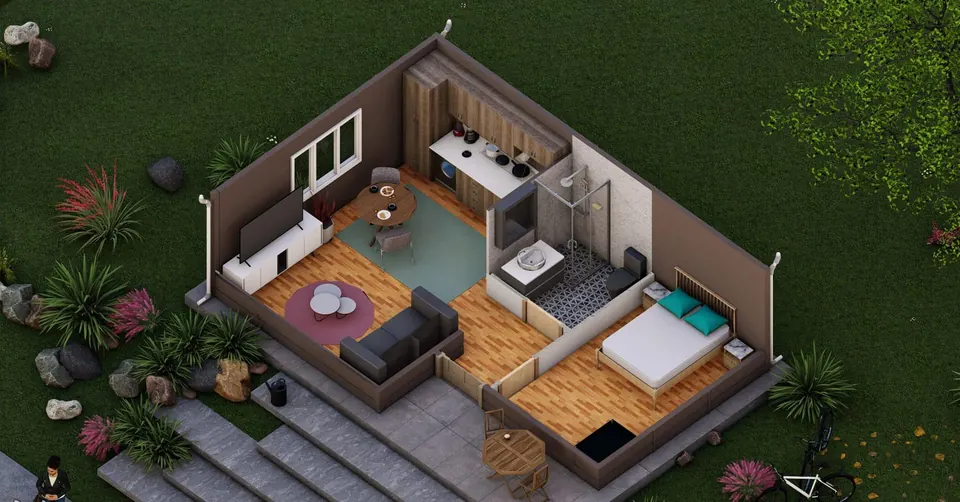
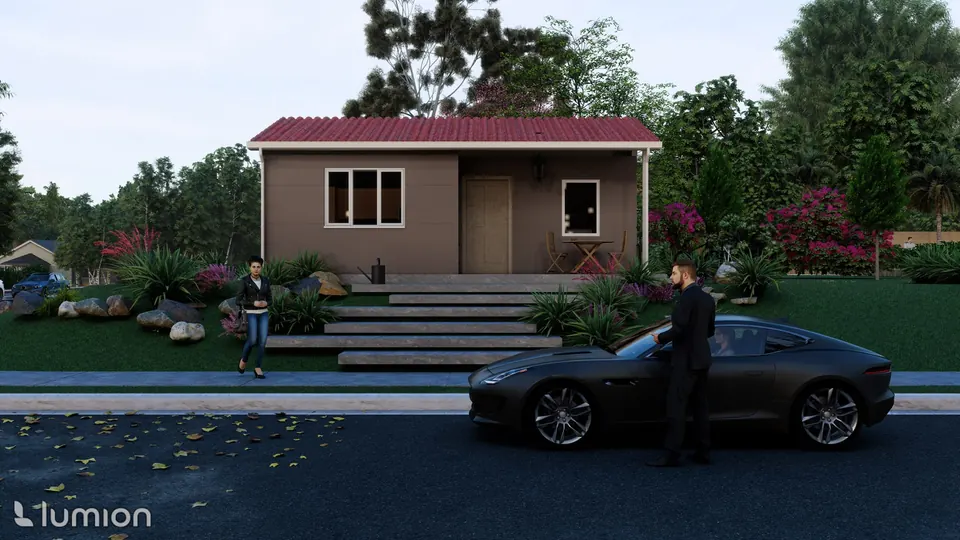
Prefab buildings can be used for various purposes, including residential homes, office buildings, schools, healthcare facilities, and more. Additionally, by combining them with modern design and technologies, aesthetically appealing and functional structures can be created.
In conclusion, prefab buildings are catching attention as the future construction trend. Offering faster, cost-effective, eco-friendly, and flexible construction solutions, prefab buildings are an attractive option for both individuals and businesses. Therefore, it is likely that prefab buildings will become more widespread and diversified in the future.
Don’t hesitate to learn more about prefab buildings and explore this innovative construction method. You are one step closer to the future housing trend!